
What Does Good Speech and Language Therapy Actually look like?
Your child comes out of their Speech and Language Therapy session having spent half an hour playing a pirate game.
Was that really therapy?
Or perhaps they sat at a table, completed a series of carefully structured activities and came home with a worksheet to practise.
Was that good therapy?
The answer to both questions is: possibly.
What the Speech and Language Therapist is doing can be surprisingly difficult to judge from the outside. Unless you know what the therapist is trying to achieve and why, it can be difficult to tell the difference between an activity that has been carefully chosen for a particular therapeutic purpose and one that simply keeps a child occupied.
And parents shouldn't need to be Speech and Language Therapists to understand what is happening. So, here are a few points to keep in mind about what you should expect from your therapist.
There should be a reason for what we are doing
Good therapy starts before the first game is taken out of the cupboard.
The therapist needs to understand what is making communication difficult for your child.
Two children may appear to have very similar difficulties but need quite different intervention.
A child who isn't speaking clearly might have difficulty learning the sound system of language, coordinating the movements needed for speech, hearing differences between sounds or planning and sequencing speech movements.
A child who struggles with conversation may have an excellent vocabulary but find it difficult to process rapidly changing information, work out what someone means, formulate a response or manage all the different demands of interaction at once.
And a child who doesn't follow an instruction may understand all the individual words perfectly well but struggle with attention, processing, working memory or the amount of information they are being asked to hold in mind.
So before deciding what to do, we need to understand what is happening — and why.
Good therapy may not always look like therapy
This is particularly important with younger children.
‘Play’ in all its forms is integral to therapy.
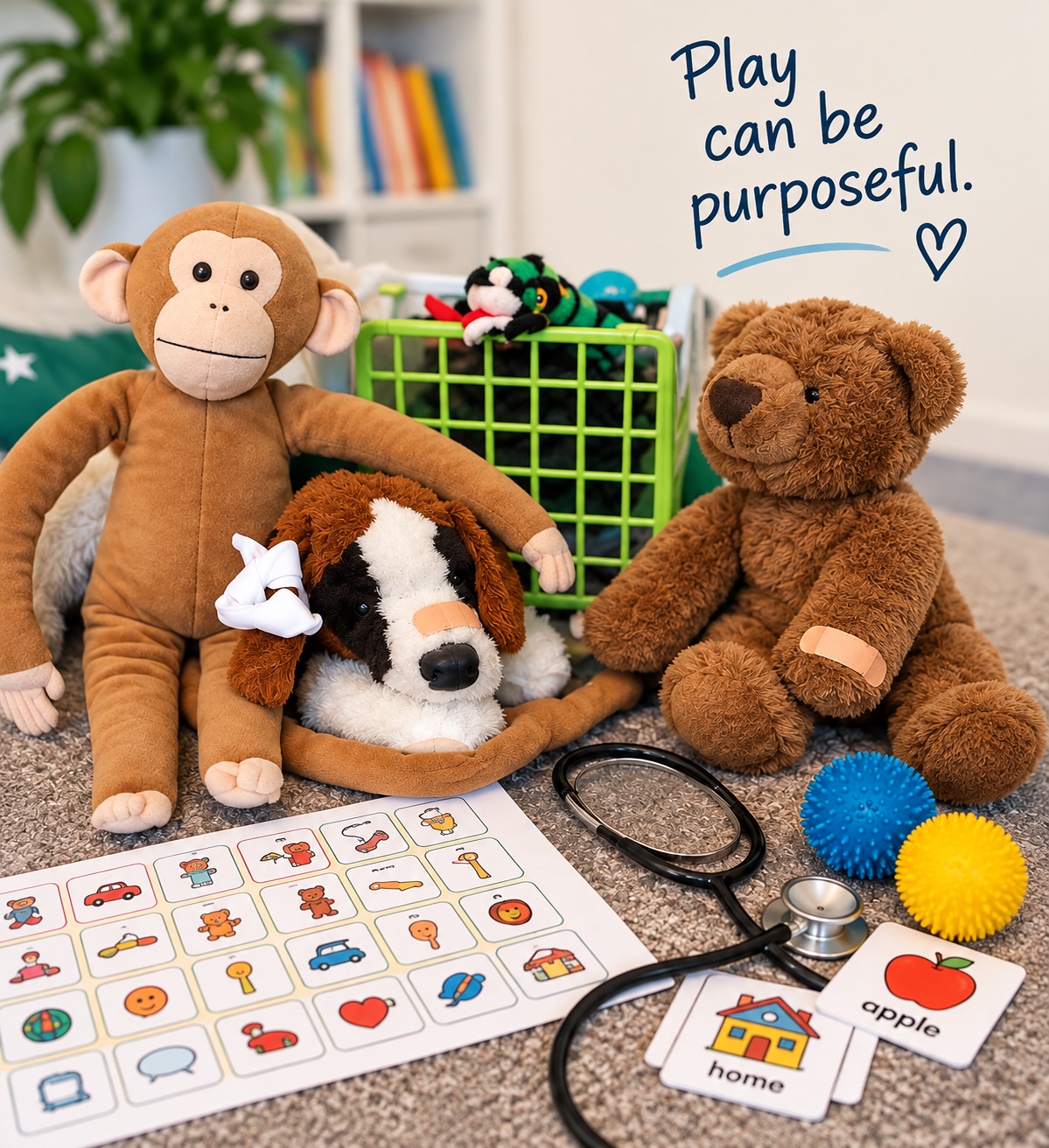
If I'm playing with bubbles, cars, a doll's house or a pop-up pirate, I might be creating repeated opportunities for a child to listen, anticipate, take a turn, make a choice, use a particular word or speech sound, combine words, repair a misunderstanding or initiate communication.
The child may think we're having fun.
That's fine. In fact, that's often exactly what I want. I want the child to associate learning to communicate with enjoyment, not something difficult.
As the therapist, it’s my job to know why we're playing that particular game and what I'm listening and looking for while we do it.
The same principle applies to structured activities with older children. A worksheet, computer game or beautifully produced therapy resource isn't therapeutic simply because it looks educational.
The activity is only the vehicle. The important part is what we are using it to change.
Therapy should fit the child — not the other way round
Speech and Language Therapy includes a huge range of different approaches and techniques.
Over many years, I have trained in and used specialist approaches including PROMPT and other motor-based approaches to speech, oral placement techniques, visual communication and AAC, parent-child interaction approaches, child-led and play-based approaches, and structured approaches to language and social communication.
But knowing how to use a particular technique is only part of the therapist's job.
The more important skill is knowing when to use it, when to adapt it and when not to use it at all.
A therapy programme that is highly effective for one child may be completely inappropriate for another.
Sometimes I will draw on several approaches. Sometimes a very specific technique is required. And sometimes changing what the adults around the child do will be more useful than providing more direct therapy.
Good therapy isn't about fitting a child into a programme. The therapy needs to fit the child.
You should know what the therapy is trying to achieve
Parents should be able to ask:
What are we working on? Why are we working on it? And how will we know whether it is helping?
The answers shouldn't require a degree in Speech and Language Therapy to understand them.
A technical goal might be important to me as a clinician, but ultimately we need to connect it to something meaningful in the child's life.
Will they be easier to understand?
Will they be better able to tell you what happened at school?
Will they understand classroom instructions more easily?
Will they have a way of communicating when they don't understand?
Will they be better able to join a conversation, explain an idea or sort out a misunderstanding?
For an older young person, will they be able to communicate more independently at school, with friends, in further education or eventually in the workplace?
Therapy needs a purpose beyond doing well in therapy.
Progress doesn't always mean getting a higher score
We obviously want to know whether therapy is working.
But progress isn't always neatly captured by whether a child can get ten target words correct or complete the next level of a programme.
Sometimes the more important changes are happening elsewhere.
A parent might tell me, “Other people can understand him now.”
A teacher might notice that a child has started asking when they don't understand rather than sitting quietly.
A teenager might tell me that they managed a difficult conversation differently this time.
These outcomes matter because communication doesn't happen in a therapy room. It happens between people.
What happens between sessions matters
An hour of therapy can never compensate for everything that happens during the rest of a child's week.
But that doesn't mean parents should spend their evenings becoming therapists.
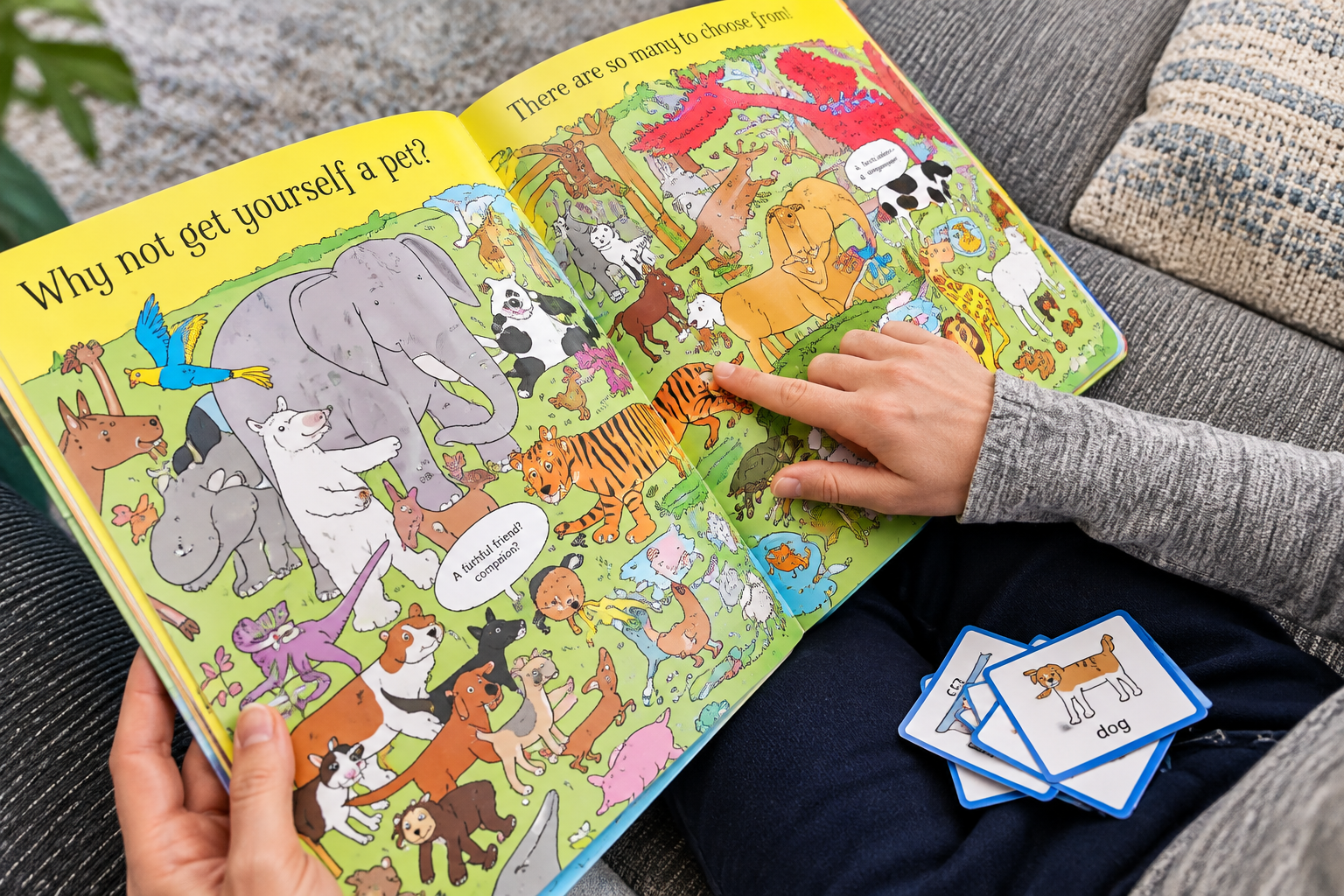
Often, small changes make the greatest difference: giving a little more processing time, changing how we phrase a question, providing a visual cue, creating an opportunity for a child to communicate rather than anticipating what they need, or knowing when not to keep asking questions.
The same applies at school.
If a strategy only works while the Speech and Language Therapist is sitting next to the child, we haven't really solved the problem.
Part of good therapy is therefore helping the people around the child understand what helps and why.
Therapy should change as the child changes
What good therapy looks like for a three-year-old will be very different from what it looks like for a thirteen-year-old.
With younger children, much of my work may involve play, interaction and working alongside parents.
As children become older, I want them to become active participants in their therapy. We can talk about situations they find difficult, work out what happened, consider different strategies, try something and then decide whether it actually helped.
Eventually, the young person should need me less, not more.
That is progress too.
Sometimes good therapy means stopping
This may sound surprising, but more therapy isn't necessarily better therapy.
Sometimes a period of direct intervention is needed, and other times a child needs an opportunity to consolidate what they have learned.
Sometimes assessment and advice are enough. Sometimes working with parents or teachers can have more impact than weekly therapy. Sometimes another professional is better placed to help.
And if an approach isn't working, we shouldn't continue with it simply because it is the programme we started.
Good therapy involves continually asking: Is this still useful?
So how can you recognise good therapy?
You don't need to know the names of therapy programmes or understand the theory behind them.
But you should have a sense of why something is being done.
You should know what your child is working towards.
You should feel able to ask questions.
You should expect the therapist to notice when something isn't working and adapt.
And over time, you should be looking for change not simply within therapy sessions, but in the places where your child actually needs to communicate.
Because ultimately, good Speech and Language Therapy isn't defined by the activity, the programme or even the therapy room.
It's defined by whether it helps a child communicate more successfully in their everyday life.